Can Children Suffer from Sleep Apnea and What Signs Should Parents Look For?
- Sprinkabelle

- 13 hours ago
- 3 min read
Sleep apnea is often thought of as an adult condition, but children can suffer from it too. Pediatric sleep apnea affects kids of all ages, from infants to teenagers, and can have serious consequences if left untreated. Parents, pediatricians, and teachers should be aware of the signs and symptoms to help identify children who may be struggling with this disorder.
What Is Pediatric Sleep Apnea?
Pediatric sleep apnea is a type of sleep disordered breathing (SDB) where a child's airway partially or completely closes during sleep. This causes interruptions in breathing, leading to reduced oxygen levels and fragmented sleep. Sleep disordered breathing includes a range of breathing difficulties during sleep, from mild upper airway resistance to severe obstructive sleep apnea (OSA).
Children need oxygen just as much as adults do, especially during sleep when the brain and body repair and grow. When a child experiences repeated airway blockages, it can interfere with their development, behavior, and overall health.
Common Causes of Sleep Apnea in Children
Several factors can increase the risk of pediatric sleep apnea:
Enlarged tonsils and adenoids are the most common cause in children.
Obesity can contribute to airway obstruction.
Craniofacial abnormalities or structural differences in the airway.
Neuromuscular disorders affecting breathing muscles.
Allergies or chronic nasal congestion.
In many cases, an adenotonsillectomy (surgical removal of tonsils and adenoids) is recommended to clear the airway and improve breathing during sleep.
Recognizing OSA Symptoms in Children
OSA symptoms in children often differ from those seen in adults. Parents and caregivers should watch for the following signs:
Loud snoring that occurs regularly
Gasping or choking sounds during sleep
Pauses in breathing or not breathing at all during sleep
Restlessness or frequent movement, sometimes waking up tangled in blankets
Sleeping with the head tilted backward or hyperextended
Nightmares or night terrors
Nighttime bedwetting beyond typical age
Mouth breathing during the day
Difficulty waking up or morning headaches
Excessive daytime sleepiness or fatigue
Poor concentration and memory problems
Hyperactivity or behavior issues such as irritability
Poor school performance or difficulty learning
Failure to thrive or slowed growth
High blood pressure (hypertension)
Obesity or weight gain
These symptoms can sometimes be mistaken for other conditions like ADHD or behavioral problems, so it is important to consider sleep apnea as a possible cause.
Diagnosing Pediatric Sleep Apnea
If parents or teachers notice these symptoms, a pediatrician should be consulted. The doctor may recommend a sleep study (polysomnography) to monitor the child’s breathing, oxygen levels, and sleep patterns overnight. This test is the gold standard for diagnosing pediatric sleep apnea.
In some cases, imaging or examination of the tonsils and adenoids will help determine if an adenotonsillectomy is needed.
Treatment Options for Pediatric Sleep Apnea
Treatment depends on the severity and cause of the sleep apnea:
Adenotonsillectomy is often the first line of treatment for children with enlarged tonsils and adenoids.
Weight management and lifestyle changes for children with obesity.
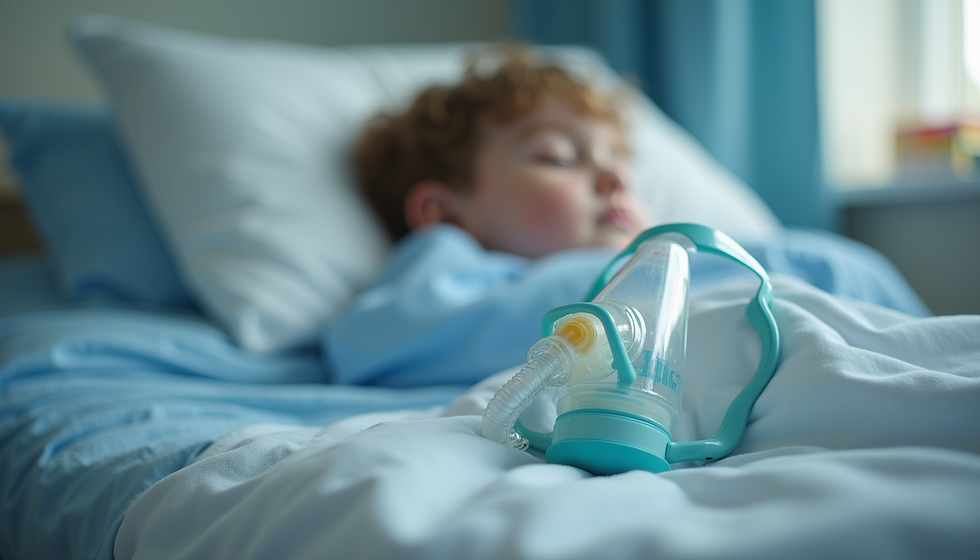
Use of pediatric CPAP masks to provide continuous positive airway pressure, keeping the airway open during sleep. These masks are specially designed for children to ensure comfort and effectiveness.
Orthodontic treatments or dental devices to help open the airway.
Managing allergies or nasal congestion with medications.
Why Early Detection Matters
Untreated pediatric sleep apnea can lead to serious health and developmental problems. Lack of oxygen and poor sleep quality affect a child’s brain development, behavior, and physical growth. Children with untreated OSA may experience:
Learning difficulties and poor academic performance
Behavioral problems such as hyperactivity and mood swings
Increased risk of cardiovascular issues like hypertension
Growth delays and failure to thrive
Increased risk of obesity and metabolic problems
Early diagnosis and treatment can improve a child’s quality of life, behavior, and long-term health outcomes.
Supporting Children with Sleep Apnea
Parents and teachers can support children by:
Monitoring sleep habits and noting any unusual breathing or behaviors during sleep.
Encouraging healthy sleep routines and weight management.
Working closely with healthcare providers to follow treatment plans.
Being patient and understanding of behavioral or learning challenges related to sleep apnea.
If a child uses a pediatric CPAP mask, parents should help ensure the child is comfortable and consistent with therapy. Many children adapt well to CPAP with proper support.
Pediatric sleep apnea is a serious condition that can affect children’s health, behavior, and development. Recognizing the signs early and seeking medical advice can make a significant difference. Treatments like adenotonsillectomy and pediatric CPAP masks offer effective ways to manage the condition and help children breathe easier at night.
If you suspect a child may have sleep apnea, consult a pediatrician for evaluation. Early action supports better sleep, better health, and a brighter future for your child.

Comments