The Essential Guide to Understanding Asthma Inhalers for Parents
- Sprinkabelle

- 4 days ago
- 3 min read
Asthma can be a challenging condition for children and their families. Knowing how to manage it effectively is key to keeping your child safe and healthy. One of the most important tools in asthma care is the inhaler. This guide helps parents understand asthma inhalers, how they work, and how to use them properly to protect your child’s breathing.

What Are Asthma Inhalers and Why Are They Important?
Asthma inhalers deliver medicine directly into the lungs. This direct delivery makes the medicine work faster and reduces side effects compared to pills or syrups. For children, inhalers are often used with a spacer device, which helps the medicine reach the lungs more effectively.
Understanding asthma inhalers means knowing the two main types and when to use each. Using the right inhaler correctly can prevent asthma attacks and keep symptoms under control.
The Two Main Types of Asthma Inhalers
Relievers | Provide quick relief of symptoms | During asthma attacks or before exercise |
Preventers | Prevent symptoms from developing | Daily, even when the child feels well |
Reliever Inhalers (Rescue Inhalers)
Reliever inhalers act fast to open the airways when your child is having trouble breathing. They relieve wheezing, coughing, and tightness in the chest within minutes. The effect usually lasts 4 to 6 hours.
Common reliever medicines and their colors:
Salbutamol (brands like Ventolin, Asthalin) – Blue inhaler
Levosalbutamol (brand Levolin) – Blue/green inhaler
Terbutaline (brand Bricanyl) – White/blue inhaler
When to use reliever inhalers:
During an asthma attack
When your child shows symptoms like wheezing or coughing
15 to 20 minutes before exercise if exercise triggers asthma
As directed by your doctor
Warning: If your child needs the reliever inhaler more than three times a week (not counting before exercise), their asthma may not be well controlled. Talk to your doctor about adjusting the treatment.
How Preventer Inhalers Work
Preventer inhalers reduce inflammation inside the airways. They do not provide immediate relief but help stop symptoms from developing over time. It can take 2 to 4 weeks to feel the full benefit.
Preventers are usually brown or orange and must be used every day, even when your child feels fine. This daily use helps keep asthma under control and reduces the risk of attacks.
Common preventer medicines include:
Beclometasone
Budesonide
Fluticasone
These medicines belong to a group called corticosteroids, which calm the swelling inside the lungs.
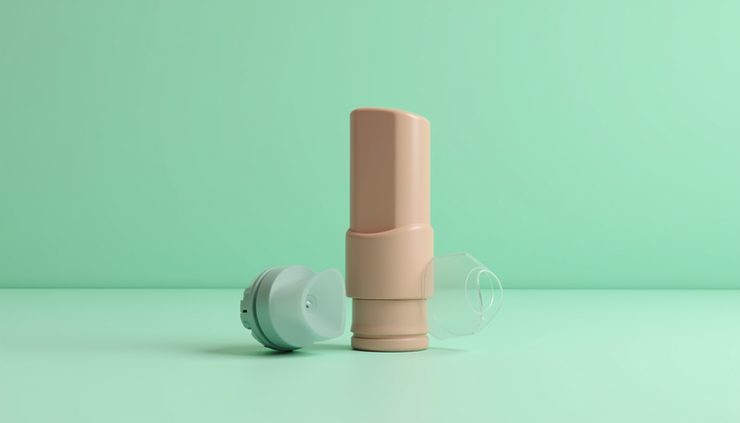
Using Inhalers Correctly
Getting the right inhaler is only part of managing asthma. Using it correctly is just as important. For children, a spacer device is recommended. It holds the medicine released from the inhaler, making it easier for the child to breathe it in deeply.
Tips for using inhalers with spacers:
Shake the inhaler well before use
Attach the inhaler to the spacer securely
Have your child breathe out fully before placing the spacer mouthpiece in their mouth
Press the inhaler once to release the medicine into the spacer
Encourage your child to take slow, deep breaths for 5 to 6 breaths to inhale the medicine fully
Clean the spacer regularly according to the instructions
Teaching your child how to use the inhaler and spacer properly will improve how much medicine reaches their lungs.
Creating an Asthma Action Plan
Work with your doctor to develop an asthma action plan tailored to your child’s needs. This plan should include:
Which inhalers to use and when
How to recognize worsening symptoms
Steps to take during an asthma attack
When to seek emergency help
Having a clear plan helps parents, teachers, and caregivers respond quickly and confidently.

Final Thoughts on Understanding Asthma Inhalers
Understanding asthma inhalers is essential for parents managing their child’s asthma. Knowing the difference between reliever and preventer inhalers, using them correctly with a spacer, and following a doctor’s advice can make a big difference in your child’s health.
If your child’s symptoms change or you have questions about their inhalers, talk to your healthcare provider. Together, you can keep your child breathing easier and living a full, active life.


Comments